

Achieving and maintaining a healthy weight can be challenging. Many people spend years trying different diets, exercise routines, and lifestyle changes without achieving the results they desire. In recent years, medical weight management options have gained significant attention, especially injectable treatments designed to support weight loss efforts.
As interest in these treatments continues to grow, many patients wonder whether modern medical solutions are more effective than traditional dieting. Understanding the advantages and limitations of each approach can help individuals make informed decisions about their health and wellness goals.
At Plastic Surgery Art and Science Institute, patients often seek personalized guidance regarding body contouring, weight management, and aesthetic enhancement. Choosing the right strategy depends on individual needs, medical history, and long-term objectives.
Traditional dieting refers to modifying eating habits to reduce calorie intake and encourage weight loss. These plans may focus on portion control, calorie restriction, specific food groups, or structured meal programs.
Dieting has long been considered the foundation of weight management because nutrition plays a critical role in body weight and overall health.

A well-balanced dietary approach can provide numerous benefits beyond weight reduction. Many individuals experience improved energy levels, better cardiovascular health, and enhanced overall wellness.
Traditional dieting may also help people:
Develop healthier eating habits
Improve blood sugar control
Reduce excessive calorie consumption
Learn portion management
Build long-term nutritional awareness
When combined with physical activity, dietary changes can contribute to sustainable health improvements.
Although dieting can be effective, many people find it difficult to maintain long term.
Several factors can make traditional dieting challenging:
Persistent hunger
Food cravings
Busy lifestyles
Emotional eating habits
Difficulty maintaining consistency
These obstacles often lead individuals to regain weight after initial success, creating frustration and discouragement.
Medical weight loss injections are prescription treatments designed to support healthy weight reduction. These therapies work through various mechanisms, often helping regulate appetite, improve satiety, and support healthier eating patterns.
Patients considering Weight loss injection Beverly Hills options frequently seek solutions that complement lifestyle changes while addressing some of the challenges associated with dieting alone.
These treatments are typically recommended as part of a comprehensive weight management plan rather than a standalone solution.
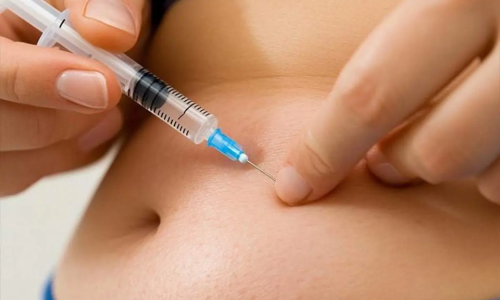
Many injectable medications help individuals feel fuller for longer periods. As a result, patients may naturally consume fewer calories without experiencing the same level of hunger often associated with restrictive diets.
Additional benefits may include:
Reduced appetite
Improved portion control
Enhanced adherence to nutritional plans
Support for long-term lifestyle modifications
Greater motivation due to visible progress
These advantages can make it easier for some individuals to stay committed to their weight loss goals.
Not every patient is an ideal candidate for injectable weight management therapy.
Eligibility often depends on factors such as:
Current weight
Body mass index
Medical history
Existing health conditions
Previous weight loss attempts
Lifestyle habits
A thorough consultation helps determine whether medical weight management may be appropriate.
One of the most common questions patients ask is which method produces better results.
Traditional dieting can be highly effective when followed consistently. However, long-term adherence remains one of the biggest challenges.
Injectable therapies may provide additional support by helping patients manage hunger and maintain dietary compliance more effectively.
For many individuals, the most successful outcomes occur when medical treatments and healthy lifestyle habits work together.
Sustainable weight loss depends on long-term behavior changes.
Patients who rely solely on short-term diets often struggle to maintain their results after returning to previous eating habits.
Medical weight management programs typically emphasize lasting lifestyle improvements, including:
Balanced nutrition
Regular exercise
Behavioral modifications
Ongoing monitoring
Healthy sleep habits
The combination of these factors may contribute to better long-term success.
Weight management involves more than calories and exercise.
Emotional eating, stress, social influences, and behavioral patterns often play a significant role in weight gain and weight maintenance.
Many patients report that injectable therapies help reduce constant thoughts about food, making it easier to focus on healthy choices.
At Plastic Surgery Art and Science Institute, individualized treatment plans consider both physical and behavioral factors that may influence weight management success.
Even with advanced medical therapies, nutrition remains essential.
Weight loss injections are not designed to replace healthy eating habits. Instead, they serve as a tool that may help patients follow nutritional recommendations more successfully.
Individuals who continue consuming excessive calories may not achieve optimal results regardless of the treatment approach they choose.
Exercise supports weight management by increasing energy expenditure and promoting overall health.
Benefits of regular activity include:
Improved cardiovascular function
Greater muscle preservation
Enhanced metabolism
Better mood
Increased energy levels
Combining exercise with nutritional improvements and medical guidance often creates the strongest foundation for success.
Lasting results require consistency.
Healthy habits developed during treatment can continue benefiting patients long after their initial weight loss goals are achieved.
Examples include:
Meal planning
Mindful eating
Regular exercise routines
Stress management techniques
Adequate hydration
Long-term success often depends on maintaining these habits regardless of the specific weight loss method used.
Many patients pursuing weight reduction are also interested in improving body contours.
Significant weight changes can affect body shape, skin quality, and overall appearance. After reaching a stable weight, some individuals explore additional procedures to refine their results.
Patients seeking Beverly Hills cosmetic surgery services often combine weight management strategies with body contouring procedures to achieve their desired aesthetic outcomes.
Even after successful weight loss, certain areas may retain excess fat deposits.
This can occur despite healthy eating and regular exercise.
In these situations, cosmetic procedures may help enhance body proportions and improve contour definition. Treatment recommendations vary based on individual anatomy and goals.
Every patient’s journey is unique.
Some individuals achieve their goals through lifestyle modifications alone. Others benefit from medically supervised weight management programs. Certain patients may eventually pursue aesthetic procedures to further enhance their results.
A personalized approach allows treatment recommendations to align with each patient’s specific objectives.
Before beginning any weight management program, it is important to identify your goals.
Questions to consider include:
How much weight would you like to lose?
What challenges have limited previous success?
Are you seeking medical guidance?
Do you have underlying health concerns?
What is your long-term maintenance plan?
Answering these questions can help determine the most appropriate strategy.
Professional guidance can significantly improve outcomes.
Healthcare providers can evaluate medical history, assess candidacy for various treatments, and develop personalized recommendations.
Patients exploring Weight loss injection Beverly Hills treatments often benefit from comprehensive consultations that focus on both immediate goals and long-term success.
The most effective weight management programs prioritize sustainability.
Rather than focusing solely on rapid weight reduction, successful plans emphasize healthy habits that can be maintained over time.
At Plastic Surgery Art and Science Institute, individualized care helps patients develop realistic strategies that support both wellness and aesthetic objectives.
When comparing weight loss injections and traditional dieting, there is no universal answer that works for everyone. Traditional dieting provides the foundation for healthy living, while injectable therapies may offer valuable support for individuals who struggle with hunger, cravings, or long-term adherence.
In many cases, the most effective approach combines medical guidance, proper nutrition, regular exercise, and sustainable lifestyle changes. Patients interested in Beverly Hills cosmetic surgery services often discover that successful weight management enhances both their health and confidence, creating a strong foundation for future aesthetic goals.
By understanding the strengths of each option and working with qualified professionals, individuals can choose a path that supports lasting success and overall well-being.

At the Plastic Surgery Art and Science Institute, we are committed to delivering top-tier aesthetic procedures in Beverly Hills and Greater Los Angeles.
310-678-8500
© 2026 Plastic Surgery Art and Science Institute. All Rights Reserved.