

Breast reconstruction is a deeply personal decision that can help restore confidence, comfort, and body image after mastectomy, injury, or congenital breast concerns. Modern reconstructive techniques provide patients with more choices than ever before, allowing treatment plans to be customized based on individual anatomy, lifestyle, and aesthetic goals.
Two of the most commonly selected reconstruction methods are fat transfer and implant based reconstruction. Understanding how these approaches differ can help patients make informed decisions about their care. At Plastic Surgery Art and Science Institute, every reconstruction plan is tailored to meet the unique needs and expectations of each patient.
Fat grafting is a procedure that uses a patient’s own fat to restore breast volume and contour. During the process, fat is harvested from another area of the body through liposuction, purified, and carefully injected into the breast area.
Many patients interested in breast fat grafting Beverly Hills CA appreciate the natural nature of the procedure. Since the treatment uses the body’s own tissue, the reconstructed breast often feels soft and natural while providing the additional benefit of contouring the donor area.

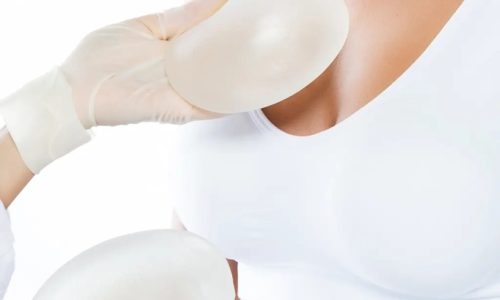
Implants are medical devices designed to restore breast shape and volume. They are typically placed beneath the chest muscle or breast tissue and are available in various sizes and profiles.
A breast implant can be an effective solution for patients seeking predictable volume restoration. The ability to select from multiple implant options allows surgeons to customize results according to the patient’s desired appearance.
One of the primary advantages of fat transfer reconstruction is the use of living tissue from the patient’s own body. This often results in a soft texture and natural movement that closely resembles native breast tissue.
Patients seeking subtle enhancement and refined contouring frequently find this approach appealing because the reconstructed breast blends seamlessly with surrounding tissues.
Implant based reconstruction generally provides greater control over breast size and projection. Patients requiring significant volume replacement may benefit from implants because larger changes can often be achieved without multiple procedures.
For individuals looking for a fuller breast profile, implants may offer a more direct path to their desired outcome.
Recovery following fat transfer involves healing in both the donor and treatment areas. Patients may experience temporary swelling, bruising, and mild discomfort as the body adapts to the procedure.
A portion of the transferred fat naturally integrates with the surrounding tissue, creating long lasting results. Surgeons typically recommend following all post operative instructions to support optimal healing.
Patients undergoing implant reconstruction may experience tightness, swelling, and temporary soreness during the initial recovery period. As healing progresses, the tissues gradually settle around the implant.
The recovery experience varies based on individual circumstances, surgical techniques, and overall health. Careful monitoring and follow up appointments help ensure successful outcomes.
At Plastic Surgery Art and Science Institute, patients receive comprehensive guidance throughout every stage of the recovery process.
Once transferred fat establishes a blood supply, it becomes a living part of the breast. Although some fat absorption is expected during the healing process, the remaining volume can provide durable enhancement for many years.
In some cases, additional sessions may be recommended to further improve volume and symmetry.
Implants are designed to provide long lasting results. However, they are not considered lifetime devices and may require future evaluation or replacement depending on individual circumstances.
Regular follow up visits allow surgeons to monitor implant integrity and maintain optimal breast health over time.
The ideal reconstruction method depends on several important factors. These include desired breast size, available donor fat, body type, medical history, and personal preferences regarding surgical techniques.
Some patients prioritize natural texture and subtle enhancement, while others prefer greater volume and projection. Understanding your goals is an essential part of the decision making process.
Every patient’s journey is unique. A thorough consultation helps identify the most suitable treatment plan while addressing questions, concerns, and expectations.
At Plastic Surgery Art and Science Institute, reconstruction procedures are approached with a commitment to artistry, precision, and individualized care. By carefully evaluating each patient’s anatomy and goals, the surgical team develops treatment strategies designed to achieve natural looking and balanced results.
Both fat grafting and implant based reconstruction offer valuable benefits for patients seeking breast restoration. Fat transfer utilizes your own tissue to create a natural feel and appearance, while implants provide reliable volume and shape enhancement. The best choice depends on your individual goals, anatomy, and preferences.
A detailed consultation with an experienced reconstructive surgeon can help determine whether breast fat grafting Beverly Hills CA, implant reconstruction, or a combination approach is the most appropriate option for your needs. With the right guidance and treatment plan, patients can achieve results that support both physical restoration and renewed confidence.

At the Plastic Surgery Art and Science Institute, we are committed to delivering top-tier aesthetic procedures in Beverly Hills and Greater Los Angeles.
310-678-8500
© 2026 Plastic Surgery Art and Science Institute. All Rights Reserved.